Is Sushi Safe During Pregnancy? Trimester Guide
Craving a spicy tuna roll but wondering if sushi during pregnancy is actually safe? You are not alone. Fish is one of the most confusing food groups for expecting moms, and the rules around sushi can feel especially unclear. The good news: you do not have to give up sushi entirely. This trimester-by-trimester sushi during pregnancy guide breaks down exactly which rolls are safe, which to skip, and what to do if you have already eaten something questionable — all backed by guidance from ACOG, the FDA, and the CDC.
The Short Answer: What Is Safe and What Is Not
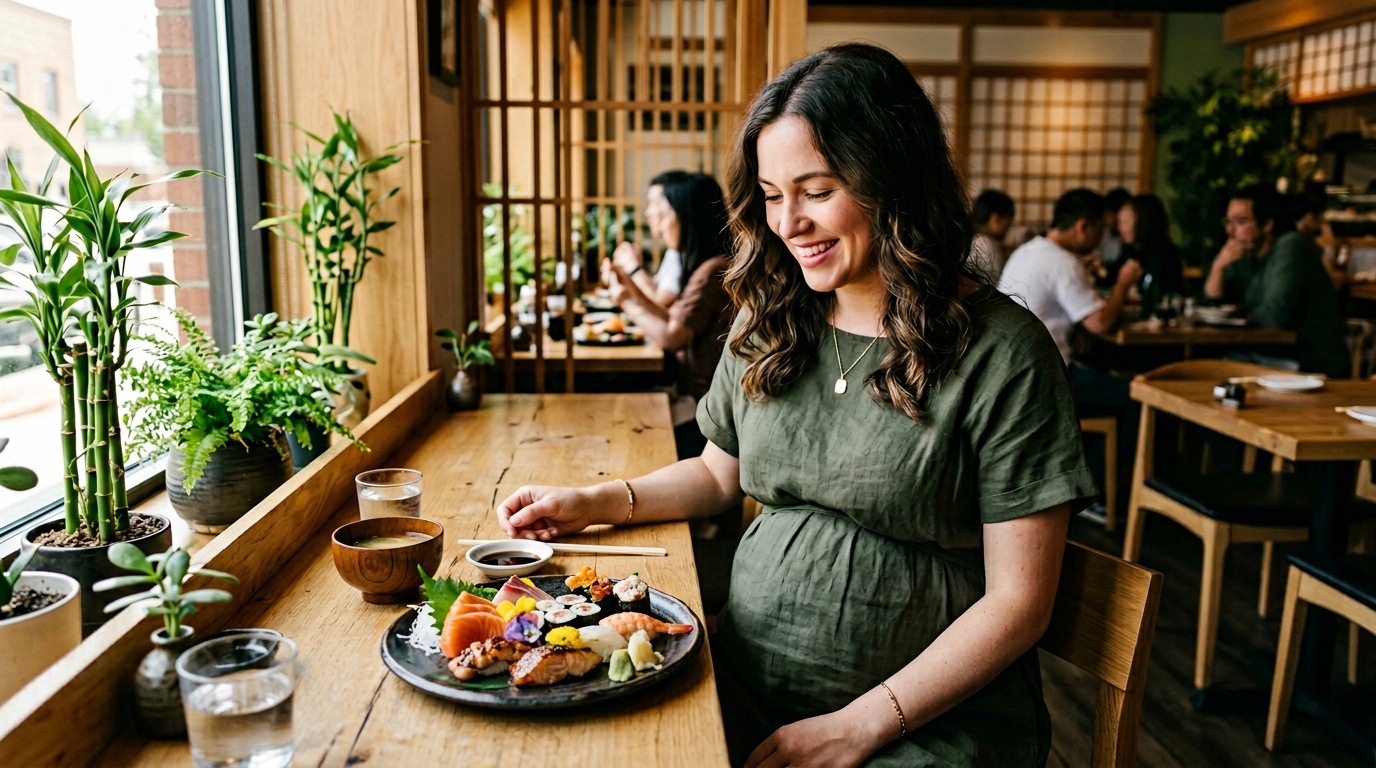
When it comes to sushi during pregnancy, the rules are simpler than you might think.
Here is the bottom line: raw fish sushi is not safe during pregnancy, but cooked sushi is perfectly fine. The reason comes down to two risks — Listeria bacteria and parasites — that raw fish can carry and that pose serious threats to your baby.
According to ACOG, raw fish sushi and sashimi should not be eaten during pregnancy. However, sushi made with fully cooked seafood, vegetables, or egg is safe to enjoy.
California rolls are generally safe because they use imitation crab (surimi), which is fully cooked and pasteurized. But cold-smoked salmon rolls should be avoided, as cold-smoked fish carries a Listeria risk. If the smoked salmon is hot-smoked (cooked through), it is considered safe.
Why Raw Fish Is Risky During Pregnancy
Understanding why raw fish is off-limits helps explain the sushi during pregnancy guidelines. Three main risks make raw fish dangerous when you are expecting: Listeria, mercury, and parasites. Knowing each one helps you make confident choices at the sushi counter.
Listeria: The Hidden Danger
Listeria is a type of bacteria that can grow even in refrigerated foods. According to the CDC, pregnant women are about 10 times more likely to get a Listeria infection than the general population. The consequences can be severe: the CDC reports that 1 in 4 pregnant women who contract listeriosis may lose their pregnancy or their baby shortly after birth.
The Mayo Clinic explains that even when a pregnant person shows only mild symptoms, the infection can still pass to the unborn baby, potentially causing miscarriage, stillbirth, or premature birth.
Mercury: A Long-Term Concern
All fish contain some level of mercury. According to the FDA, mercury passes through the placenta and can affect the baby’s brain and nervous system development. Larger, longer-lived fish — like swordfish, shark, king mackerel, and tilefish — have the highest mercury levels. No cooking method reduces mercury, so choosing low-mercury fish matters whether the fish is raw or cooked.
The FDA and EPA recommend that pregnant women eat 2 to 3 servings (8 to 12 ounces) per week of fish from the “Best Choices” category, which includes salmon, shrimp, tilapia, and cod.
Parasites: Why Cooking Matters
Raw fish can contain parasitic worms that are killed by cooking or proper freezing. The NHS notes that while restaurant sushi in some countries is made with previously frozen fish (which kills parasites), this is not guaranteed everywhere. Cooking remains the safest way to eliminate parasites entirely.
Safe Sushi Options: What You Can Enjoy
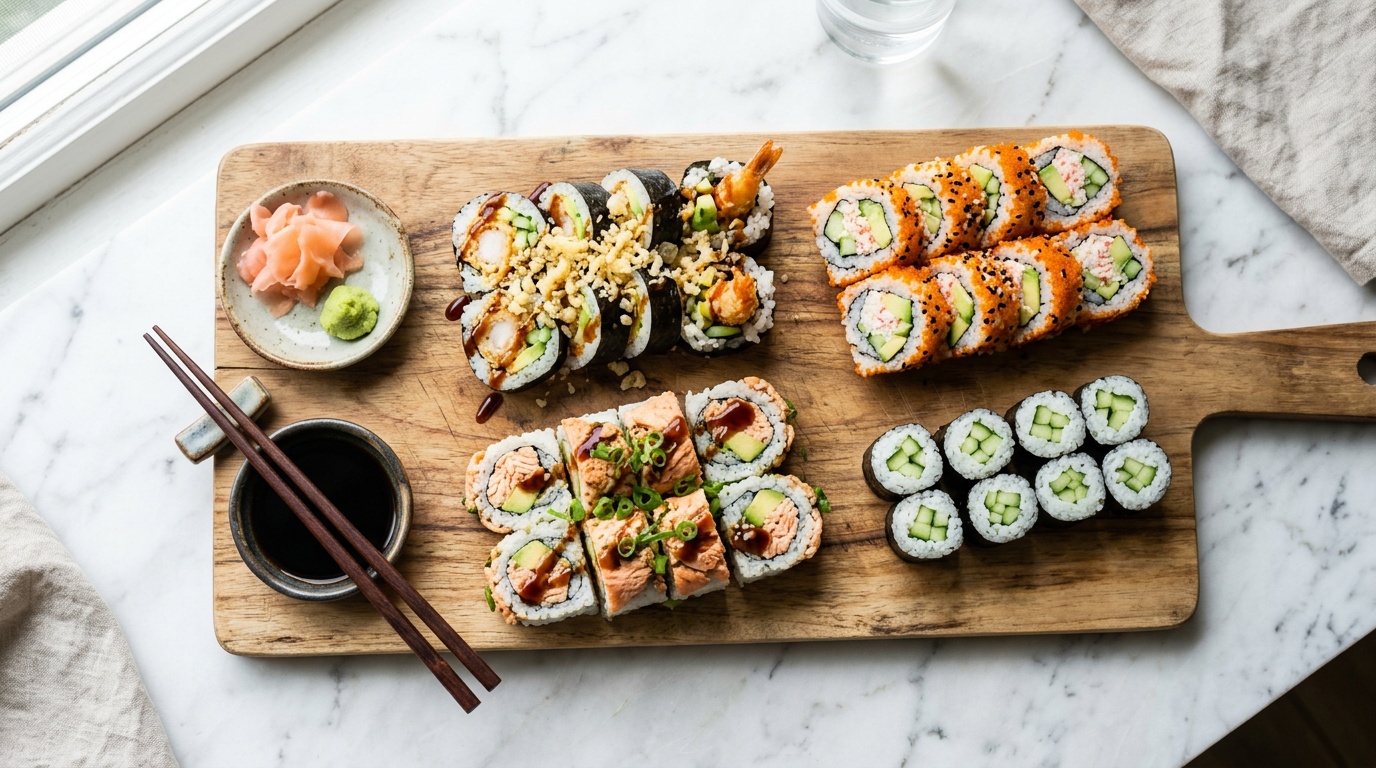
Even with the sushi during pregnancy restrictions, giving up raw fish does not mean giving up sushi night. There are plenty of delicious options that are safe throughout your pregnancy.
Fully Cooked Rolls
These rolls use seafood that has been cooked all the way through:
- Shrimp tempura rolls — fully fried shrimp, completely safe
- Eel rolls (unagi) — eel is always served cooked
- Crab rolls — real crab meat that has been steamed or boiled
- Cooked salmon rolls — baked or grilled salmon is a great omega-3 source
Vegetable and Egg Rolls
No fish, no risk:
- Cucumber rolls (kappa maki)
- Avocado rolls
- Sweet potato rolls
- Tamago (egg) rolls — cooked egg omelet, safe and nutritious
California Rolls: A Closer Look
California rolls are made with imitation crab (surimi), which is a processed fish product that is fully cooked and pasteurized. Combined with avocado and cucumber, this is one of the safest sushi options during pregnancy. Just confirm with your restaurant that they use imitation crab and not raw crab.
Smoked Salmon: Know the Difference
This is where it gets tricky. Cold-smoked salmon (like lox) is not fully cooked and carries a Listeria risk according to the NHS. However, hot-smoked salmon is cooked through and considered safe. When ordering, always ask whether the salmon is cold-smoked or hot-smoked. If the staff cannot tell you, skip it.
Mercury-Smart Choices
The FDA fish advisory categorizes fish into three groups. For sushi-friendly fish that are in the “Best Choices” (lowest mercury) category: salmon, shrimp, tilapia, pollock, catfish, and cod. Limit tuna — especially bigeye tuna — as the NHS warns it contains more mercury than other common fish.
Trimester-by-Trimester Guidance
Your approach to sushi during pregnancy can shift slightly as your baby grows. While the core rule stays the same — avoid raw fish, enjoy cooked — each trimester has its own considerations.
First Trimester (Weeks 1-12)
This is the most critical period for your baby’s neural tube development. Your immune system is also adjusting to pregnancy, making you more vulnerable to foodborne illness. During the first trimester:
- Stick strictly to cooked and vegetable sushi rolls
- Morning sickness may naturally reduce your appetite for fish — that is okay
- If you can tolerate it, cooked salmon is a good source of omega-3 DHA, which supports early brain development
- Avoid all raw fish, sashimi, and cold-smoked salmon (see our full foods to avoid in the first trimester guide)
Second Trimester (Weeks 13-26)
Your baby is growing rapidly, and mercury exposure during this period can affect developing organs. The FDA recommends 2 to 3 servings of low-mercury fish per week (8 to 12 ounces total) to get the omega-3 benefits without the mercury risk.
- Enjoy cooked sushi rolls within the FDA serving guidelines
- Focus on low-mercury options like cooked salmon, shrimp, and pollock
- This is a great time to explore vegetable rolls if you want variety without counting mercury servings
Third Trimester (Weeks 27-40)
Your baby’s brain development peaks during the third trimester, making both omega-3 intake and mercury avoidance especially important.
- Continue with cooked, low-mercury sushi options
- Salmon rolls (cooked) are one of the best choices — rich in DHA for baby’s brain growth
- Heartburn is common in the third trimester, so lighter rolls like cucumber or avocado may be more comfortable
- As your due date approaches, food safety becomes even more important — Listeria infection at this stage can trigger premature labor
What To Do If You Already Ate Raw Fish
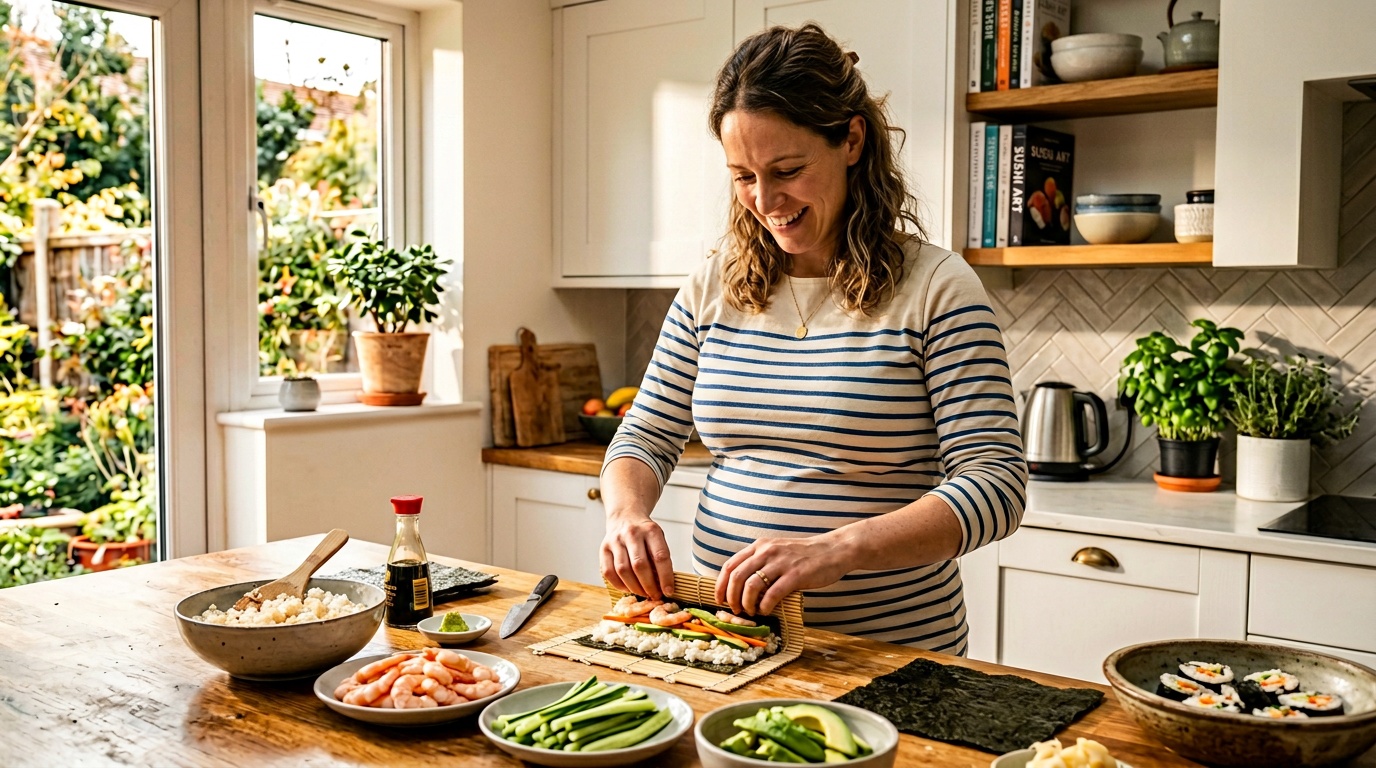
First: do not panic. Many women accidentally eat raw sushi during pregnancy before realizing they should avoid it, and the vast majority do not experience any problems.
According to ACOG, if you think you ate something that puts you at risk, talk with your OB-GYN. They can monitor your symptoms and help determine if you need testing.
Symptoms to Watch For
Listeria symptoms can take 1 to 4 weeks to appear and may include:
- Fever and chills
- Muscle aches
- Nausea or diarrhea
- Stiff neck or headache
When to Call Your Doctor
Contact your healthcare provider if you develop a fever, flu-like symptoms, or any of the symptoms listed above within a few weeks of eating raw fish. Early detection and treatment with antibiotics can protect your baby.
Remember: one accidental exposure is unlikely to cause harm. The risk increases with repeated exposure over time.
Frequently Asked Questions
Here are the most common questions about eating sushi during pregnancy, answered with guidance from medical authorities.
Can I eat California rolls while pregnant?
Yes. California rolls are made with imitation crab (surimi), which is a fully cooked and pasteurized product. Combined with avocado and cucumber, they are one of the safest sushi choices during pregnancy. Just confirm with the restaurant that they use imitation crab rather than raw crab meat.
Is cooked sushi safe during pregnancy?
Yes. Sushi made with fully cooked seafood — such as shrimp tempura, eel (unagi), cooked salmon, or cooked crab — is safe to eat during pregnancy. ACOG confirms that only raw or undercooked fish should be avoided.
What should I do if I accidentally ate raw fish?
Do not panic. Contact your OB-GYN, especially if you develop fever, muscle aches, or flu-like symptoms within 1 to 4 weeks. ACOG recommends monitoring symptoms and testing if needed. One accidental exposure rarely causes problems.
Are vegetable rolls completely safe?
Yes. Vegetable sushi rolls — like cucumber, avocado, and sweet potato rolls — carry no risk of Listeria or mercury exposure from fish. They are safe to enjoy freely throughout all trimesters of pregnancy.
Can I eat smoked salmon sushi while pregnant?
It depends on how the salmon is smoked. Cold-smoked salmon (like lox) is not fully cooked and poses a Listeria risk according to the NHS. Hot-smoked salmon is cooked through and considered safe. Always ask your server which type is used before ordering.
How much fish can I eat per week during pregnancy?
The FDA recommends 2 to 3 servings of low-mercury fish per week (8 to 12 ounces total). Stick to “Best Choices” like salmon, shrimp, and cod. Avoid high-mercury fish like swordfish, shark, and king mackerel entirely.
This article is for informational purposes only and does not constitute medical advice. Always consult your healthcare provider for guidance specific to your pregnancy.
Planning pregnancy-safe meals can feel overwhelming — but it does not have to be. Mombite helps you find trimester-safe recipes based on what is already in your fridge, so you can feel confident with every meal.