The Ultimate Guide to Pregnancy Nutrition: A Trimester-by-Trimester Breakdown
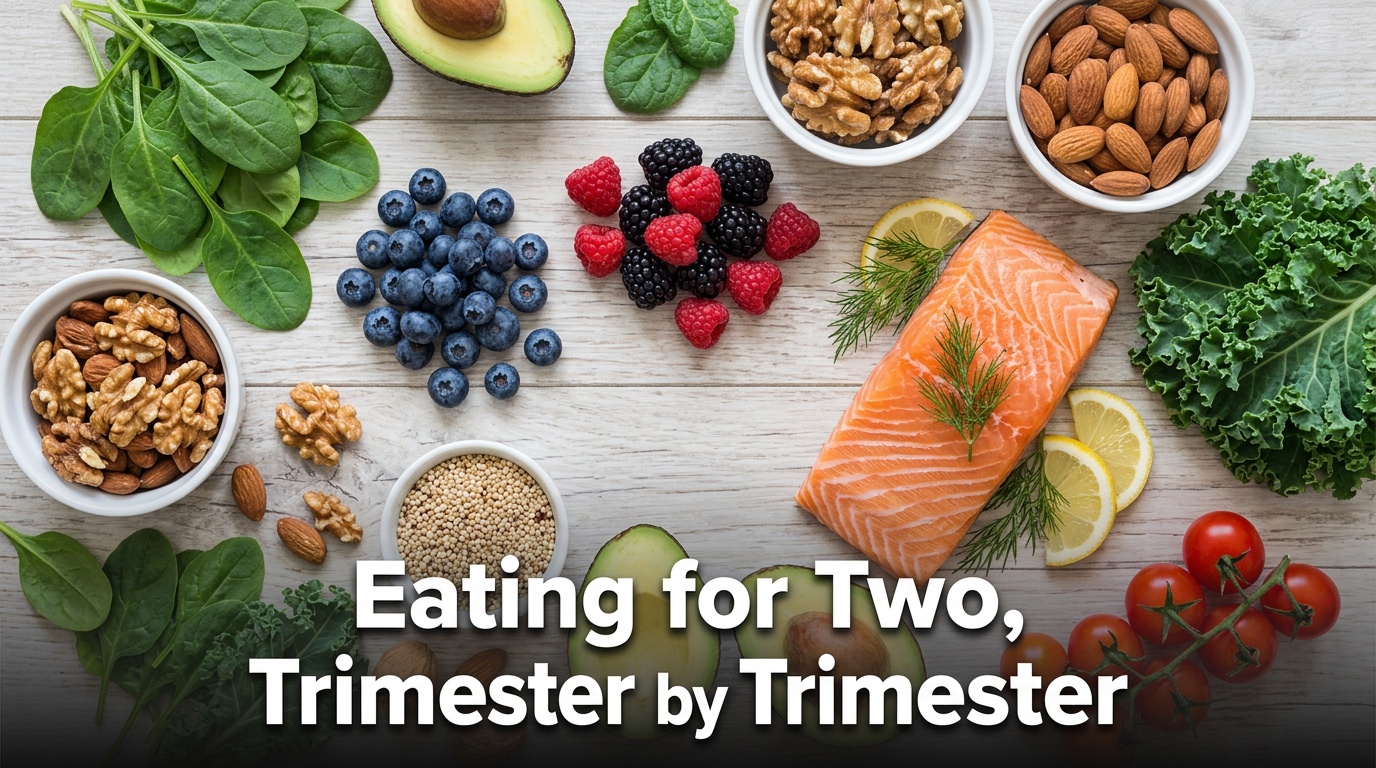
Navigating what to eat during pregnancy can feel overwhelming. You're suddenly responsible for nourishing a tiny human, and the advice seems to come from all directions. This guide is for newly pregnant women looking for a clear, supportive, and evidence-based overview of pregnancy nutrition.
You'll learn about the key nutrients for each stage, what to eat and what to avoid, and how to manage common pregnancy symptoms with food. Think of this as your roadmap to feeling confident about every meal. Estimated read time: 12 minutes.
Table of Contents
- Why Pregnancy Nutrition Matters More Than Ever
- The First Trimester: Building the Foundation
- The Second Trimester: Growth and Development
- The Third Trimester: Gearing Up for Birth
- Foods to Avoid Throughout Your Pregnancy
- Essential Supplements for a Healthy Pregnancy
- Your Pregnancy Nutrition Questions, Answered
- Putting It All Together: A Simple Approach
Why Pregnancy Nutrition Matters More Than Ever
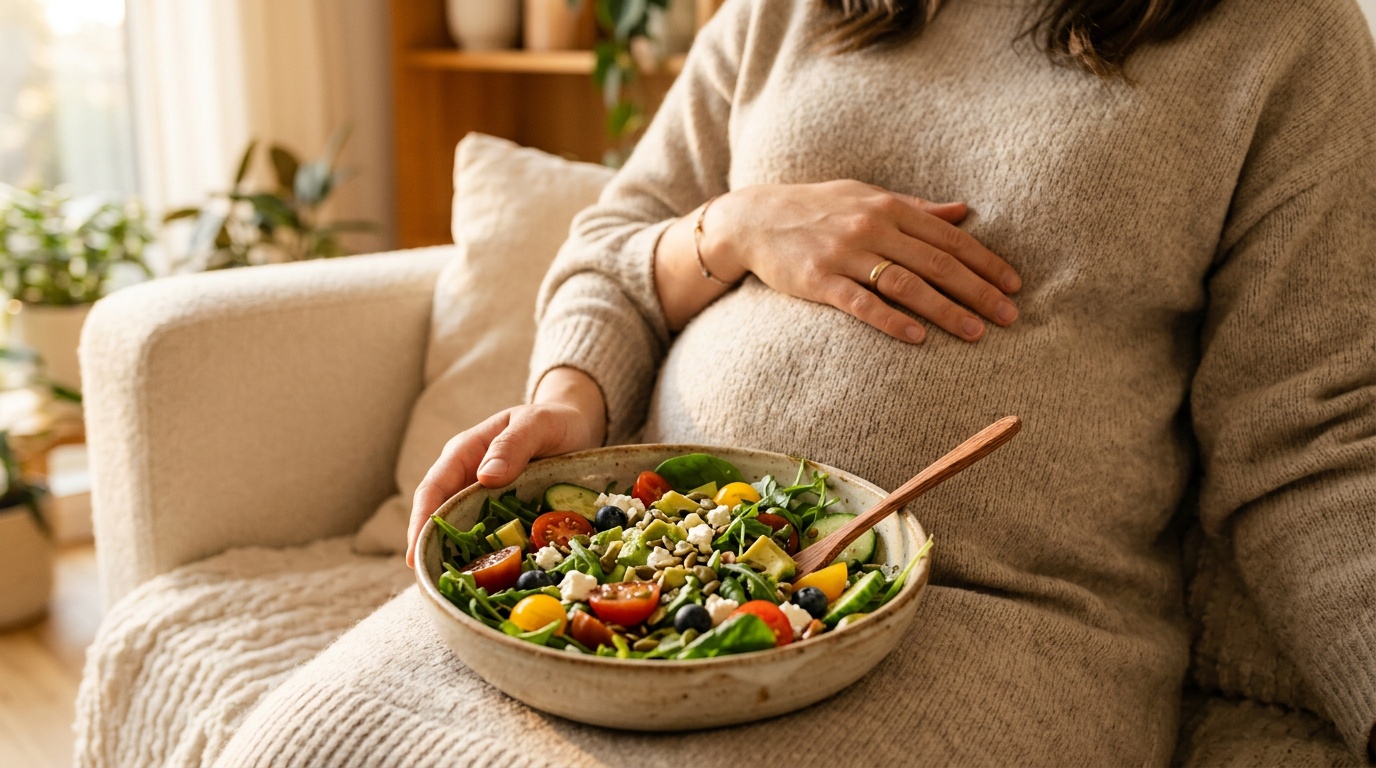
A well-balanced diet during pregnancy supports your baby's growth and development while also maintaining your own health and energy levels. Proper pregnancy nutrition is the cornerstone of a healthy journey for both of you. It directly impacts everything from your baby's brain development and birth weight to reducing the risk of certain birth defects and managing your own pregnancy-related symptoms.
It's not about "eating for two" in terms of quantity, but rather doubling down on the quality of your food choices. Every bite you take provides the building blocks for your baby's organs, bones, and tissues. Many women I've worked with find that reframing it this way—from a restrictive diet to a purposeful nourishment plan—makes all the difference. It becomes an act of love and care, not a chore.
This journey is unique for everyone, but the nutritional principles remain consistent. Let's break down what your body and your baby need during each specific stage. Ready to feel more in control of your plate?
The First Trimester: Building the Foundation (Weeks 1-12)
The first trimester is a period of incredible, rapid development, even if you don't see much on the outside. This is when your baby's major organs and systems are formed. Your nutritional needs are focused on providing the critical building blocks for this foundational work.
Key Nutrients for the First Trimester
Folate (or Folic Acid) is the superstar of this stage. It is absolutely crucial for preventing neural tube defects, which are serious abnormalities of the brain and spinal cord. You’ll also want to focus on iron to support the increase in your blood volume, and choline for brain development.
- Folate: Found in leafy greens (spinach, kale), fortified cereals, lentils, and asparagus.
- Iron: Lean meats, poultry, fish, beans, and iron-fortified cereals are excellent sources. Pair them with a source of Vitamin C (like oranges or bell peppers) to enhance absorption.
- Choline: Eggs (especially the yolks), lean beef, and soybeans are rich in choline.
Managing Nausea and Food Aversions
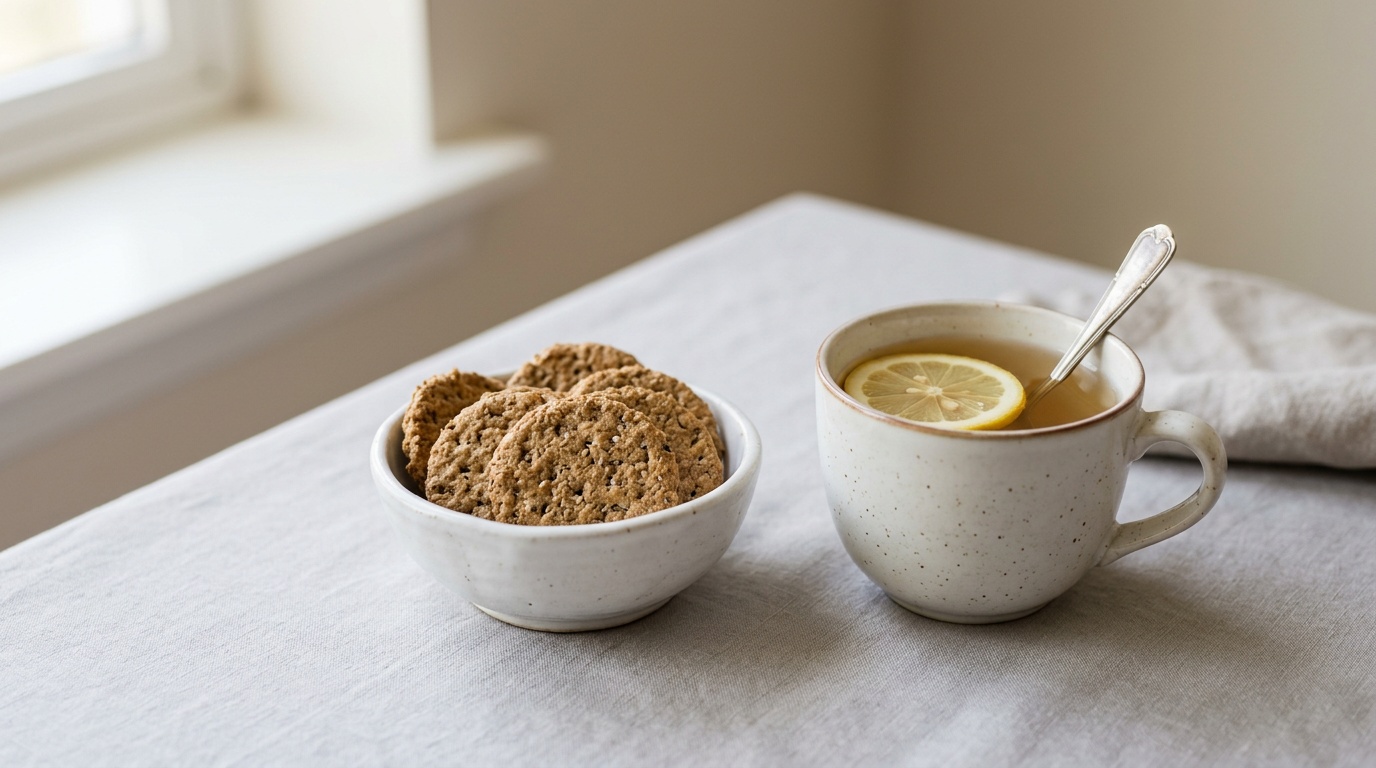
Morning sickness can make eating feel like a monumental task. The key is to be gentle with yourself. Don't force large meals. Instead, try small, frequent snacks throughout the day to keep your blood sugar stable. Bland, carbohydrate-rich foods like crackers, toast, or plain rice can be lifesavers. Ginger, either in tea or as a supplement, has also been shown to help ease nausea for many women.
The Second Trimester: Growth and Development (Weeks 13-26)
Welcome to what many call the "honeymoon" phase of pregnancy! Hopefully, the nausea has subsided, and your energy is returning. Your baby is now focused on growing bigger and stronger. Your calorie needs will increase slightly (by about 300-350 calories per day), and the focus shifts to nutrients that support structural growth.
Focus on Bone and Brain Development
During this trimester, your baby's skeleton is hardening, and their brain is undergoing rapid growth. This makes calcium, vitamin D, and omega-3 fatty acids particularly important.
| Nutrient | Why It's Important | Good Food Sources |
|---|---|---|
| Calcium | Builds strong bones and teeth for the baby. | Dairy products (milk, yogurt, cheese), fortified plant milks, tofu, leafy greens. |
| Vitamin D | Helps the body absorb calcium. | Fatty fish (salmon), fortified milk, sunlight exposure. |
| Omega-3s (DHA) | Crucial for fetal brain and eye development. | Low-mercury fatty fish (salmon, sardines), walnuts, chia seeds. |
A practical observation from helping expectant mothers is that getting enough fish can be a challenge due to concerns about mercury. Opting for smaller, low-mercury fish like salmon or sardines twice a week is a safe and effective strategy. If you don't eat fish, talk to your doctor about an algae-based DHA supplement.
The Third Trimester: Gearing Up for Birth (Weeks 27-40)
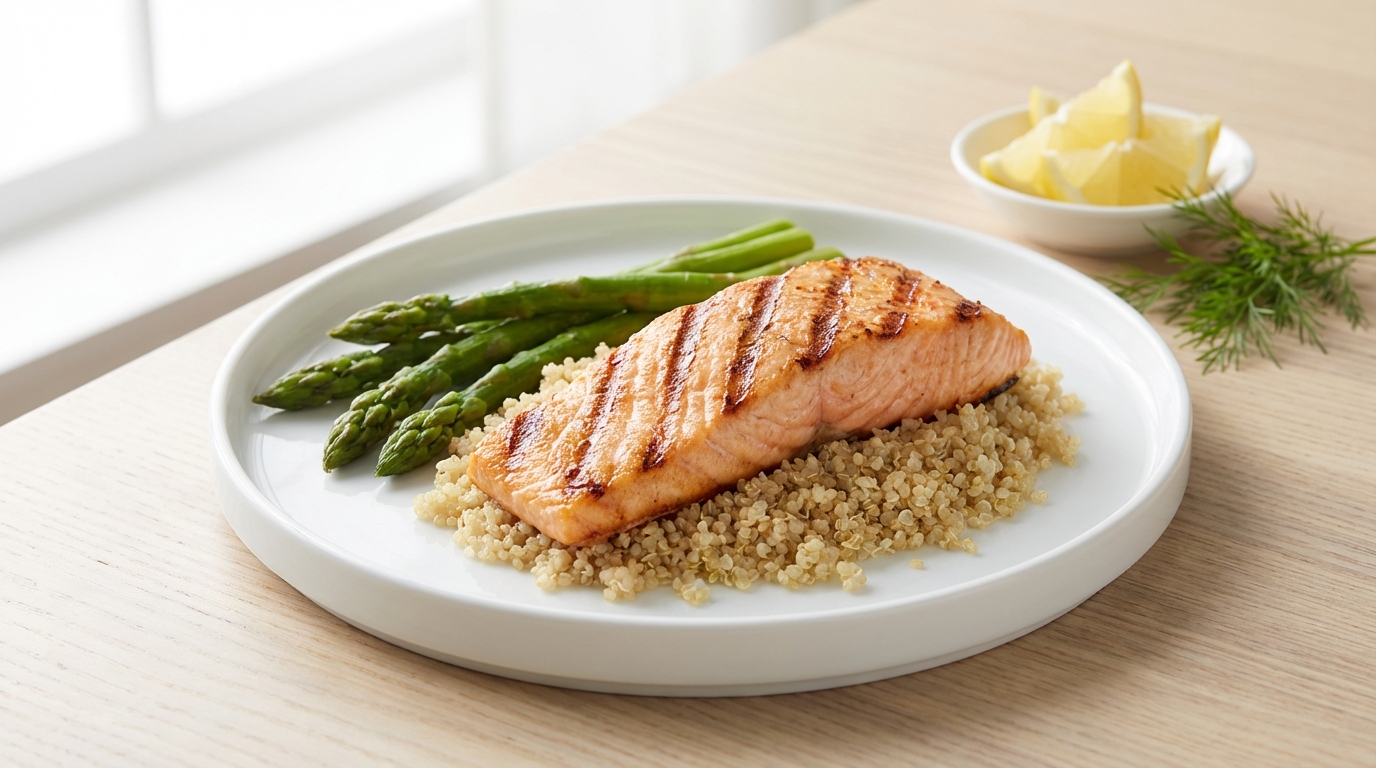
You're in the home stretch! Your baby is gaining weight quickly, and your body is preparing for labor and delivery. Your energy needs are at their peak now, requiring about 450 extra calories per day compared to your pre-pregnancy intake. Discomforts like heartburn and feeling full quickly are common, so smaller, more frequent meals are again a good strategy.
Nutrients for Energy and Final Growth
Protein remains a key player for your baby's continued growth. Iron is also critical in this trimester to prevent anemia, build up your baby's iron stores for their first few months of life, and account for blood loss during delivery. Don't skimp on fiber either; it can help with the all-too-common pregnancy constipation.
- Protein: Lean meat, poultry, fish, eggs, dairy, beans, lentils, and tofu.
- Iron: Continue with iron-rich foods. Your doctor may recommend a supplement at this stage.
- Fiber: Whole grains, fruits, vegetables, and legumes. Remember to increase your water intake as you increase fiber!
Honestly, there's no magic food that will guarantee an easy labor, but staying well-nourished and hydrated will give you the stamina you need for the big day. Focus on balanced meals that provide sustained energy.
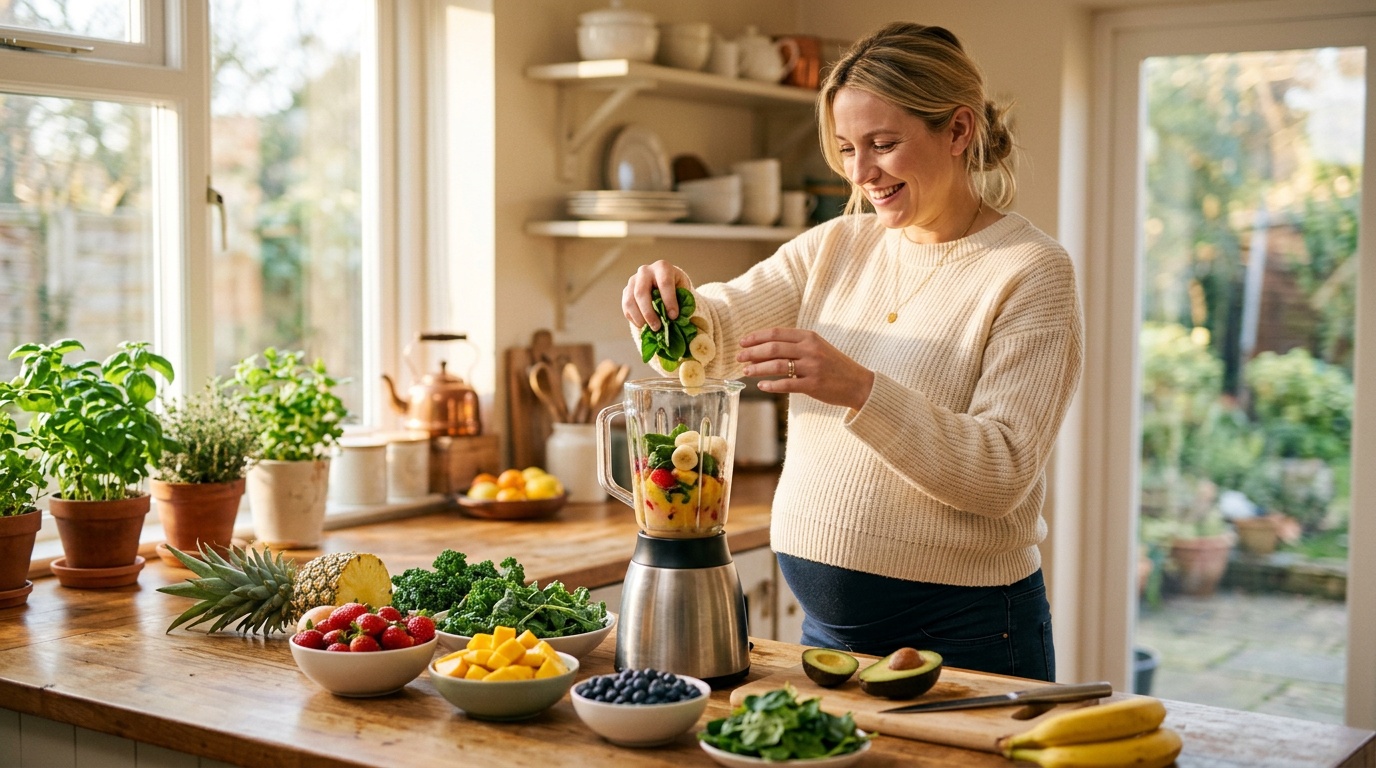
Foods to Avoid Throughout Your Pregnancy
Ensuring food safety is a non-negotiable part of trimester nutrition. Certain foods carry a higher risk of containing bacteria or parasites like Listeria, Salmonella, and Toxoplasma, which can be harmful to a developing fetus. Here's a quick list of things to steer clear of:
- High-mercury fish: Shark, swordfish, king mackerel, and tilefish.
- Raw or undercooked seafood and meat: This includes sushi with raw fish, rare steaks, and raw oysters.
- Raw or undercooked eggs: Watch out for homemade Caesar dressing, hollandaise sauce, and raw cookie dough.
- Unpasteurized dairy and juices: Always check the label for the word "pasteurized."
- Deli meats and hot dogs: Unless they are heated until steaming hot.
- Unwashed produce: Wash all fruits and vegetables thoroughly to remove potential contaminants.
This list can seem daunting, but it's about minimizing risk. The Mombite app is being designed to help you navigate these rules effortlessly, giving you peace of mind with every meal choice.
Essential Supplements for a Healthy Pregnancy
Even with the best diet, it can be tough to get enough of certain key nutrients. That's where supplements come in. Think of them as an insurance policy, not a replacement for a healthy diet.
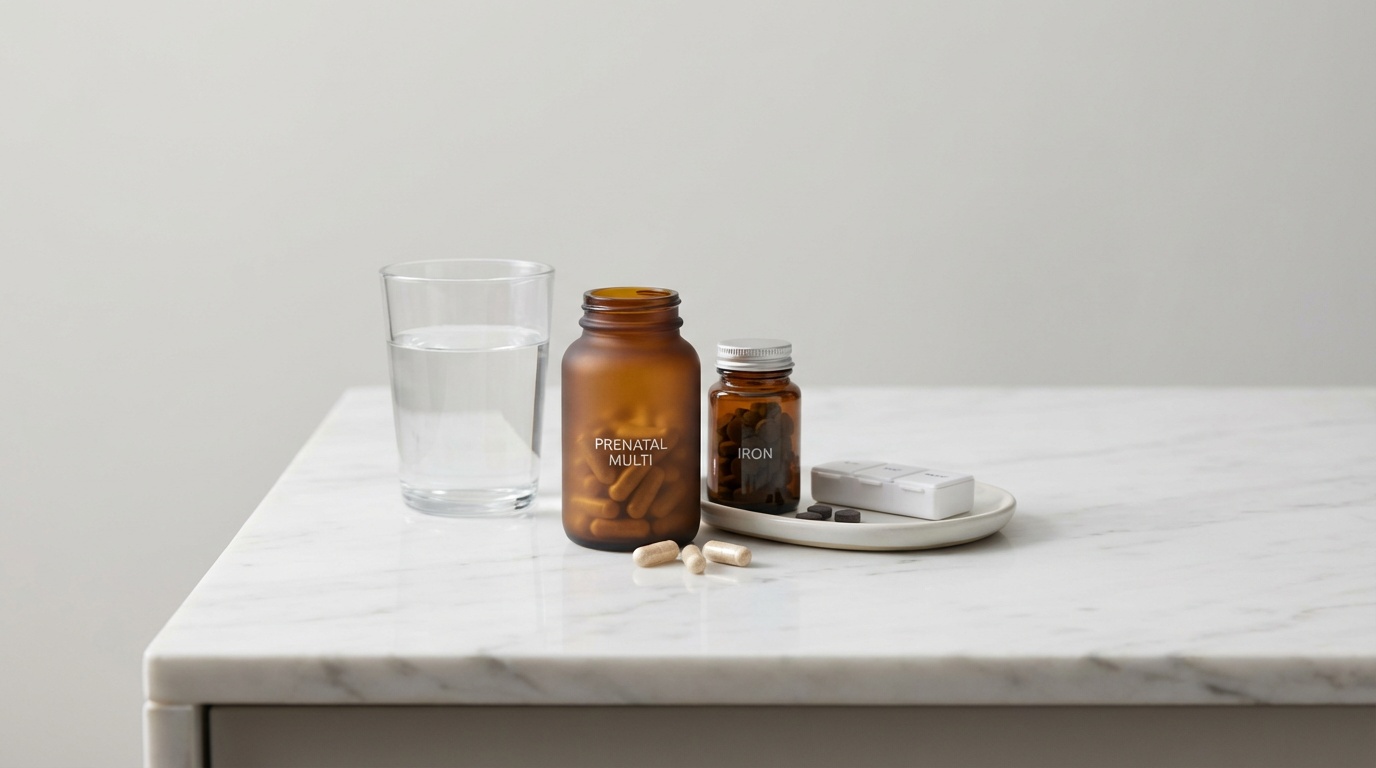
The most important supplement is a prenatal vitamin. It's specifically formulated to fill the nutritional gaps in an expectant mother's diet. A good prenatal will contain:
- Folic Acid: As mentioned, crucial for preventing neural tube defects.
- Iron: To prevent anemia and support blood volume.
- Calcium & Vitamin D: For bone health for both you and the baby.
- DHA: An omega-3 fatty acid for brain and eye development.
Always talk to your healthcare provider before starting any new supplement. They can recommend the right prenatal vitamin for your specific needs and may suggest additional supplements, like extra iron or vitamin D, based on your bloodwork.
Putting It All Together: A Simple Approach
This is a lot of information, I know. But you don't need a degree in nutrition to have a healthy pregnancy. Focus on the basics: eat a variety of whole foods, stay hydrated, and listen to your body's cues. Fill your plate with colorful fruits and vegetables, lean proteins, healthy fats, and whole grains.
Remember, this is a journey of nourishment, not perfection. There will be days you crave ice cream and days you can only stomach crackers. That's okay. Give yourself grace. The goal is to make healthy choices most of the time, providing a foundation of wellness for you and your growing baby. What's one healthy meal you're looking forward to trying this week?
To make things even easier, we've created a simple checklist to help you stay on track. Download it, stick it on your fridge, and take the guesswork out of your daily nutrition.
Your Guide to a Nourished Pregnancy
Navigating pregnancy nutrition, trimester by trimester, is about adapting to the changing needs of your body and your baby. The first trimester focuses on foundational nutrients like folate. The second is all about building strong bones and brains with calcium and omega-3s. The third trimester tops up energy and iron stores in preparation for birth. By focusing on whole, nutrient-dense foods and avoiding a few key items, you can feel confident that you're giving your baby the best possible start.
To get a simple, printable summary of key nutrients and foods for each trimester, download our free Pregnancy Nutrition Checklist. And to be the first to know when our Mombite app launches—offering personalized, trimester-safe recipes based on what's in your fridge—sign up for our email list today!
Sources
- American College of Obstetricians and Gynecologists (ACOG). (2020). Nutrition During Pregnancy.
- U.S. Food & Drug Administration (FDA). (2021). Advice about Eating Fish for Women Who Are or Might Become Pregnant, Breastfeeding Mothers, and Young Children.