Fridge-to-Meals: Quick Pregnancy Recipes
Turning your fridge to recipe ideas during pregnancy does not have to be complicated. When nausea hits or energy dips, the last thing you want is a complex grocery list and a 45-minute cook time. The good news: the eggs, yogurt, cheese, and veggies already sitting in your fridge can become a safe, nutritious pregnancy meal in under 15 minutes. This guide gives you 10 quick pregnancy recipes from common fridge staples, trimester-specific ingredient swaps, and food safety rules backed by the FDA and ACOG.
Quick Answer: Can I Make Healthy Pregnancy Meals From Whatever Is in My Fridge?
Yes. Most fridges already contain pregnancy-friendly staples like eggs, cheese, yogurt, and leftover rice or pasta. The key is combining a protein source, a carb, and a vegetable. As long as you follow basic food safety rules, refrigerate within 2 hours, reheat to 165 degrees F (74 degrees C), and eat leftovers within 3-4 days, your fridge-to-meal approach is both safe and nutritious.
Why Fridge-to-Meals Works for Pregnant Moms
Pregnancy nausea affects up to 70% of pregnant women, especially during the first trimester. When you feel queasy, the idea of planning meals, shopping for specific ingredients, and following a complicated recipe feels impossible. That is exactly why fridge-to-meals works: you skip the planning step and work with what you already have.
The Good Enough Meal Mindset
Perfectionism around pregnancy nutrition can backfire. According to ACOG, pregnant women need about 71 grams of protein daily, 27mg of iron, and 600 micrograms of folate. That sounds like a lot to track, but it adds up naturally when you eat a variety of simple foods throughout the day. A scrambled egg with cheese and toast already covers a meaningful chunk of your protein and iron needs.
Small, Frequent Meals Beat Big Plans
Mayo Clinic recommends eating five or six mini meals a day instead of three large ones during pregnancy. Fridge-to-meals naturally supports this pattern: you open the fridge, grab what looks appealing, and assemble something small. No recipe book needed.
How AI Tools Help Bridge the Gap
If you are staring at a random collection of ingredients and drawing a blank, AI-powered tools like Mombite can scan what you have and suggest pregnancy-safe meal combinations. This takes the guesswork out of what can I make with eggs, spinach, and leftover rice while flagging any safety concerns for your trimester.
10 Quick Meals From Common Fridge Staples
Each of these meals takes under 15 minutes and uses ingredients most people already have. Every option includes a solid protein source, which is important since pregnant women need 71 grams of protein daily.
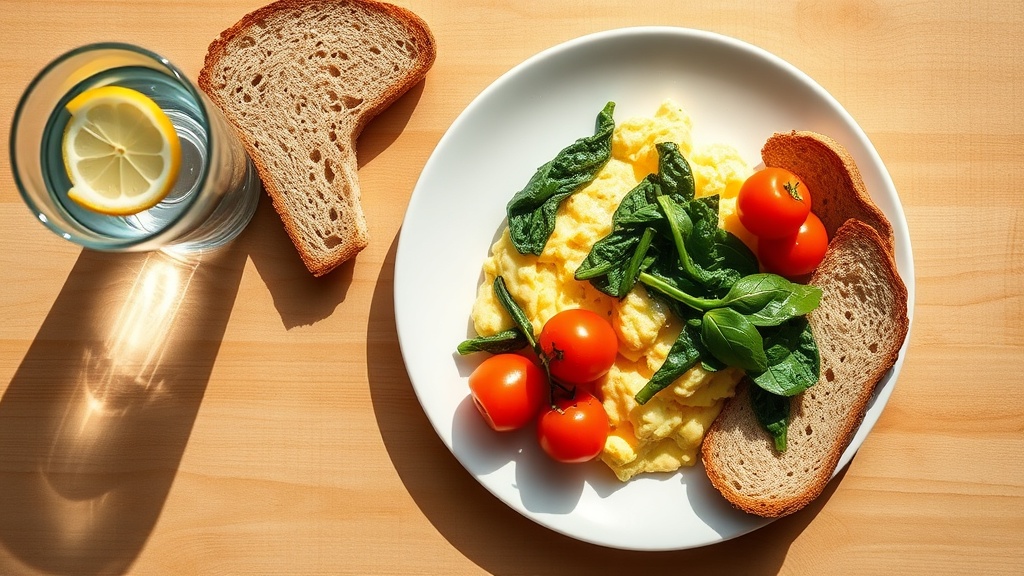
1. Spinach and Cheese Scrambled Eggs
Scramble 2-3 eggs with a handful of fresh spinach and shredded cheese. Serve on whole wheat toast. Eggs provide choline for fetal brain development, and spinach adds folate and iron. Ready in 5 minutes.
2. Greek Yogurt Parfait Bowl
Layer Greek yogurt with fruit (banana, berries, or whatever you have), granola, and a drizzle of honey. Greek yogurt packs about 15-20 grams of protein per cup, plus calcium for bone development.
3. Chicken and Veggie Stir-Fry
Dice leftover cooked chicken and stir-fry with whatever vegetables are in the crisper drawer: bell peppers, broccoli, carrots, or snap peas. Serve over rice or noodles. Make sure leftover chicken was stored within 2 hours of cooking and reheated to 165°F.
4. Pasta With Canned Tuna and Tomato
Cook pasta and toss with canned light tuna (low mercury), canned or fresh tomatoes, olive oil, and garlic. Light canned tuna is considered safe during pregnancy when limited to 2-3 servings per week according to the FDA. For more on safe seafood choices, check out our sushi safety guide.
5. Bean and Cheese Quesadilla
Spread canned black or pinto beans on a tortilla, add shredded cheese, and cook in a pan until crispy. Beans provide fiber, iron, and folate. Pair with salsa or avocado for healthy fats.
6. Avocado Toast With a Fried Egg
Mash half an avocado on whole grain toast, top with a fried egg (cooked until the yolk is firm), and sprinkle with salt and lemon juice. This combination delivers healthy fats, protein, and fiber in under 5 minutes.
7. Overnight Oats (No Cooking Needed)
Mix half a cup of oats with milk, a spoonful of chia seeds, and a bit of honey the night before. Top with fruit in the morning. Oats provide iron and fiber, and chia seeds add omega-3 fatty acids.
8. Hummus and Veggie Wrap
Spread hummus on a whole wheat tortilla, add whatever raw veggies you have (cucumber, shredded carrots, lettuce, bell peppers), roll up, and eat. Quick, no cooking required, and the chickpeas in hummus provide protein and folate.
9. Cheese and Tomato Toasted Sandwich
Use pasteurized cheese (like cheddar or mozzarella), sliced tomato, and whole grain bread. Toast until the cheese melts. Simple, satisfying, and a good source of calcium and protein.
10. Rice Bowl With Fried Egg and Leftover Veggies
Heat up leftover rice, top with a fried egg and any cooked vegetables from last night. Add soy sauce or a squeeze of lemon. This is the ultimate fridge-to-meal approach — nothing new to buy, everything used up. If you are looking for more iron-rich quick meals, our iron-rich meals guide has additional ideas.
Trimester-Safe Ingredient Swaps
Your nutritional needs and comfort levels change as pregnancy progresses. Here are trimester-specific swaps to keep your fridge meals working for you throughout all nine months.
First Trimester: Nausea-Friendly Swaps
When nausea is at its worst, ACOG recommends sticking to bland, easy-to-digest foods. Swap strong-smelling ingredients (garlic, onions, spicy peppers) for milder options. Choose plain crackers, toast, bananas, and rice — the BRATT diet (bananas, rice, applesauce, toast, and tea) is a reliable fallback. Cold meals like yogurt bowls often work better than hot food since they produce less aroma.
Second Trimester: High-Iron Priorities
Your iron needs jump to 27mg per day during pregnancy, and the second trimester is when your blood volume increases significantly. Swap regular grains for iron-fortified cereals and add spinach or beans to as many meals as possible. Pair iron-rich foods with vitamin C sources (bell peppers, tomatoes, citrus) to boost absorption. For more iron-focused meal ideas, check our iron-rich meals guide.
Third Trimester: Heartburn-Safe Choices
As your baby grows, heartburn becomes more common. Swap acidic tomato-based sauces for olive oil or pesto. Replace fried foods with baked or steamed versions. Eat smaller portions more frequently, and avoid eating within 2-3 hours of lying down. For safe food choices throughout pregnancy, our deli meat safety guide covers important heating and storage rules.
Food Safety: Leftovers and Storage
Fridge-to-meals often means using leftovers, which is perfectly fine — as long as you follow these evidence-based safety rules. During pregnancy, your immune system changes make you more vulnerable to foodborne illness, so these guidelines matter more than usual.
The 2-Hour Rule
According to the USDA, refrigerate or freeze perishable food within 2 hours of cooking or buying. If the room temperature is above 90°F (32°C), that window shrinks to just 1 hour. Food left out longer enters the danger zone where bacteria multiply rapidly.
Keep Your Fridge at 40°F (4°C) or Below
The FDA recommends keeping your refrigerator at 40°F (4°C) or below. At this temperature, harmful bacteria like Listeria grow much more slowly. Use a fridge thermometer to verify — the built-in dial is not always accurate.
Reheat to 165°F (74°C)
When reheating leftovers, use a food thermometer to confirm the internal temperature reaches 165°F (74°C). Bring soups, sauces, and gravies to a full boil. Microwaving is fine, but stir halfway through to avoid cold spots.
The 3-4 Day Rule
Most cooked leftovers are safe for 3-4 days in the refrigerator. After that, the risk of bacterial growth increases even at proper fridge temperatures. When in doubt, throw it out — it is not worth the risk during pregnancy.
| Rule | Guideline | Source |
|---|---|---|
| Room temperature limit | Refrigerate within 2 hours (1 hour if above 90°F) | USDA |
| Fridge temperature | 40°F (4°C) or below | FDA |
| Reheating temperature | 165°F (74°C) internal | USDA |
| Leftover storage | 3-4 days maximum | USDA |
Building a Pregnancy-Friendly Fridge
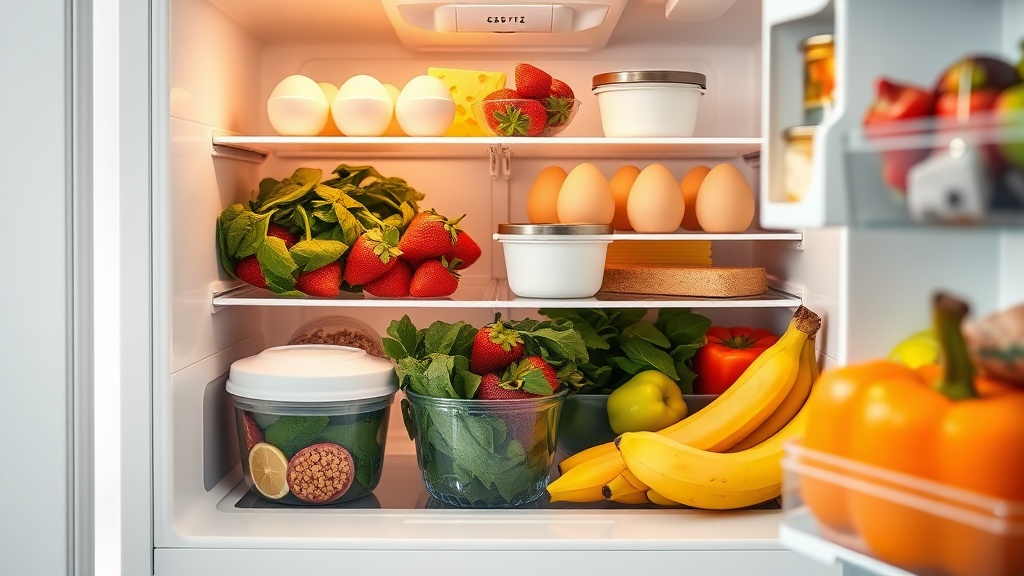
The secret to successful fridge-to-meals is having the right ingredients on hand. Stock these staples and you will always be 10 minutes away from a nutritious pregnancy meal.
Always-Have-on-Hand Proteins
Keep eggs, Greek yogurt, pasteurized cheese, and canned beans as your protein backbone. Eggs alone provide choline for fetal brain development, and two eggs deliver about half your daily choline needs. For more protein-rich options, see our high-protein pregnancy snacks guide.
Quick-Grab Vegetables
Pre-washed spinach, baby carrots, cherry tomatoes, and pre-cut bell peppers are your best friends. They require zero prep and can be tossed into any meal. Frozen vegetables (broccoli, peas, corn, mixed stir-fry bags) are equally nutritious and last much longer.
Carb and Grain Staples
Whole wheat bread, tortillas, cooked rice (stored safely), oats, and pasta give you a quick base for any meal. Oats provide iron and fiber, and their bland flavor works well during nauseous mornings.
Frozen Backup Options
Frozen fruit for smoothies and yogurt bowls, frozen vegetables for stir-fries, and frozen cooked chicken or fish portions are lifesavers on low-energy days. According to the CDC, frozen foods are safe as long as they are thawed in the refrigerator (not on the counter) and cooked to proper temperatures. Soups, stews, and casseroles freeze particularly well for 3-6 months.
Frequently Asked Questions
How do I plan pregnancy meals with limited ingredients?
Start with what you have. Every fridge meal needs three things: a protein (eggs, beans, cheese, yogurt), a carb (bread, rice, pasta, tortilla), and a vegetable or fruit. Combine any one from each group and you have a balanced meal. You do not need exotic ingredients to eat well during pregnancy.
What quick meals can I make with common fridge staples?
Scrambled eggs with cheese and toast, Greek yogurt bowls with fruit, bean quesadillas, hummus veggie wraps, and rice bowls with a fried egg are all ready in under 15 minutes. The 10 recipes listed above all use ingredients most people already have at home.
Are leftover meals safe during pregnancy?
Yes, when handled properly. Refrigerate leftovers within 2 hours of cooking, store at 40°F (4°C) or below, eat within 3-4 days, and reheat to 165°F (74°C) before eating. These guidelines come from the USDA and are especially important during pregnancy when your immune system is more vulnerable.
How long can I keep cooked meals in the fridge while pregnant?
The USDA recommends eating refrigerated leftovers within 3-4 days. After that, even properly stored food can develop harmful bacteria. If you will not eat it in time, freeze it instead — most cooked meals stay safe in the freezer for 3-6 months.
What are the best freezer-friendly pregnancy meals?
Soups, stews, casseroles, and pasta sauces freeze and reheat best. Curries and slow-cooker meals are also excellent choices. Avoid freezing creamy or dairy-heavy dishes as the texture can change. Freeze in individual portions so you can thaw just what you need. Always thaw in the refrigerator overnight, never on the counter.
Disclaimer: This article is for informational purposes only and does not replace professional medical advice. Always consult your healthcare provider about your specific nutritional needs during pregnancy.