Can I eat licorice while pregnant?
It's generally recommended to limit or avoid licorice, especially black licorice and licorice root, during pregnancy.

Emily · mom-to-be
Grounded in ACOG, FDA & NHS guidance
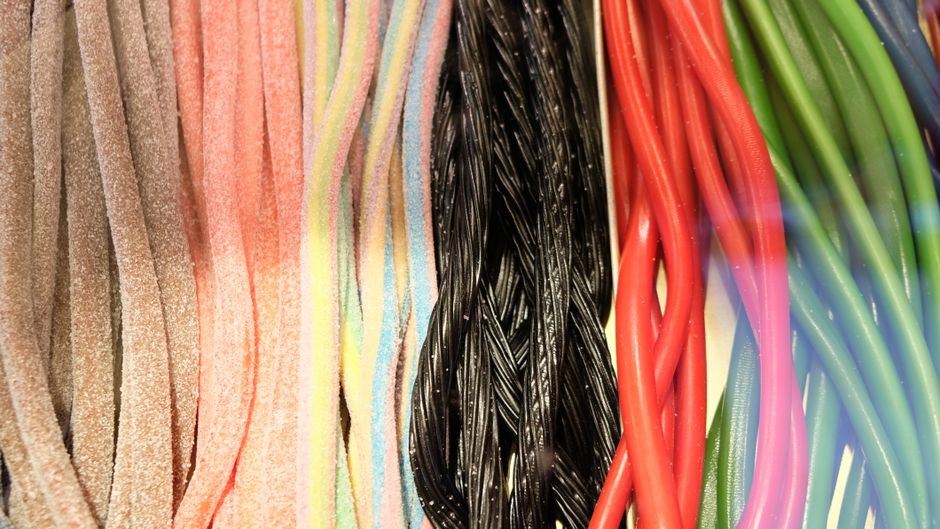
Mama, while it might be tempting, many health organizations advise caution when it comes to consuming licorice during pregnancy, particularly products containing real licorice extract or licorice root. The main concern is a compound called glycyrrhizin, which is found in true licorice. Studies have linked high consumption of glycyrrhizin during pregnancy to potential developmental concerns in children, such as lower IQ scores and an increased risk of attention-deficit/hyperactivity disorder (ADHD). It can also contribute to issues like high blood pressure and low potassium in the mother, and some research suggests a link to a higher risk of preterm delivery.
However, it's worth noting that many red licorice candies, like Twizzlers, are generally considered safe in moderation because they are typically flavored with anise oil and don't contain actual licorice root or glycyrrhizin. If you're unsure about a specific product, always check the ingredients list to see if it contains real licorice extract or glycyrrhizin.
You should always check with your OB for personalized advice.
Next craving, next aisle — just ask.
Brie, that latte, the leftovers eyeing you from the fridge — Mombite gives you a calm, clear answer for any food, tuned to your trimester. No more 2am panic-Googling.

You're probably also wondering
This is guidance, held gently — not medical advice.
Mombite makes trusted food-safety guidelines easy to reach. It doesn't replace your OB or midwife — when something feels off, ask them.
Sources